

INTERVIEWS
VOL.02
- Owners of the Western-Style Restaurant "Machako"
- Mori Yoshifumi, Hiroko
Serving up Borscht with a Side of “Parental Care:”
Interview with Beppu’s “Mom and Dad” at Machako
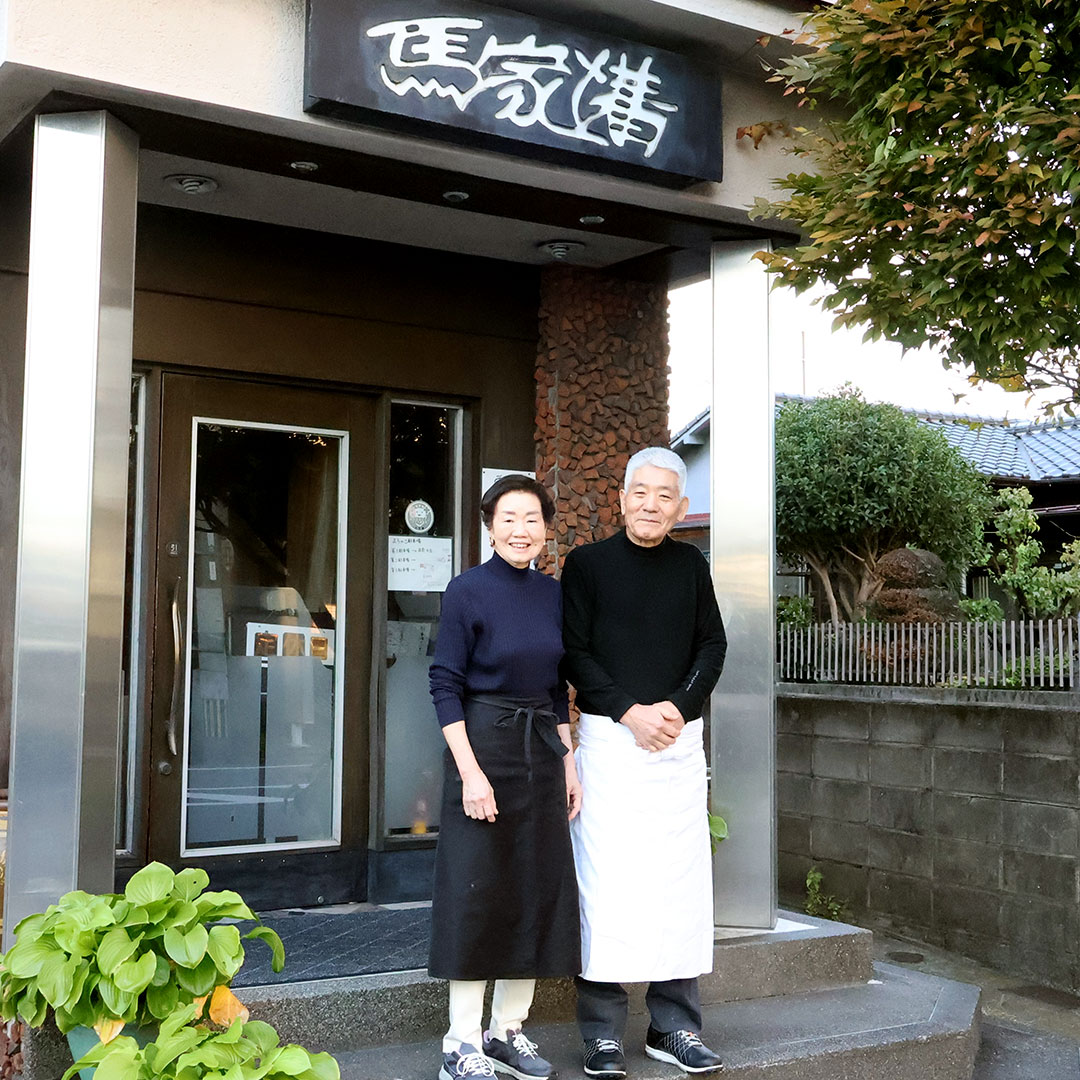
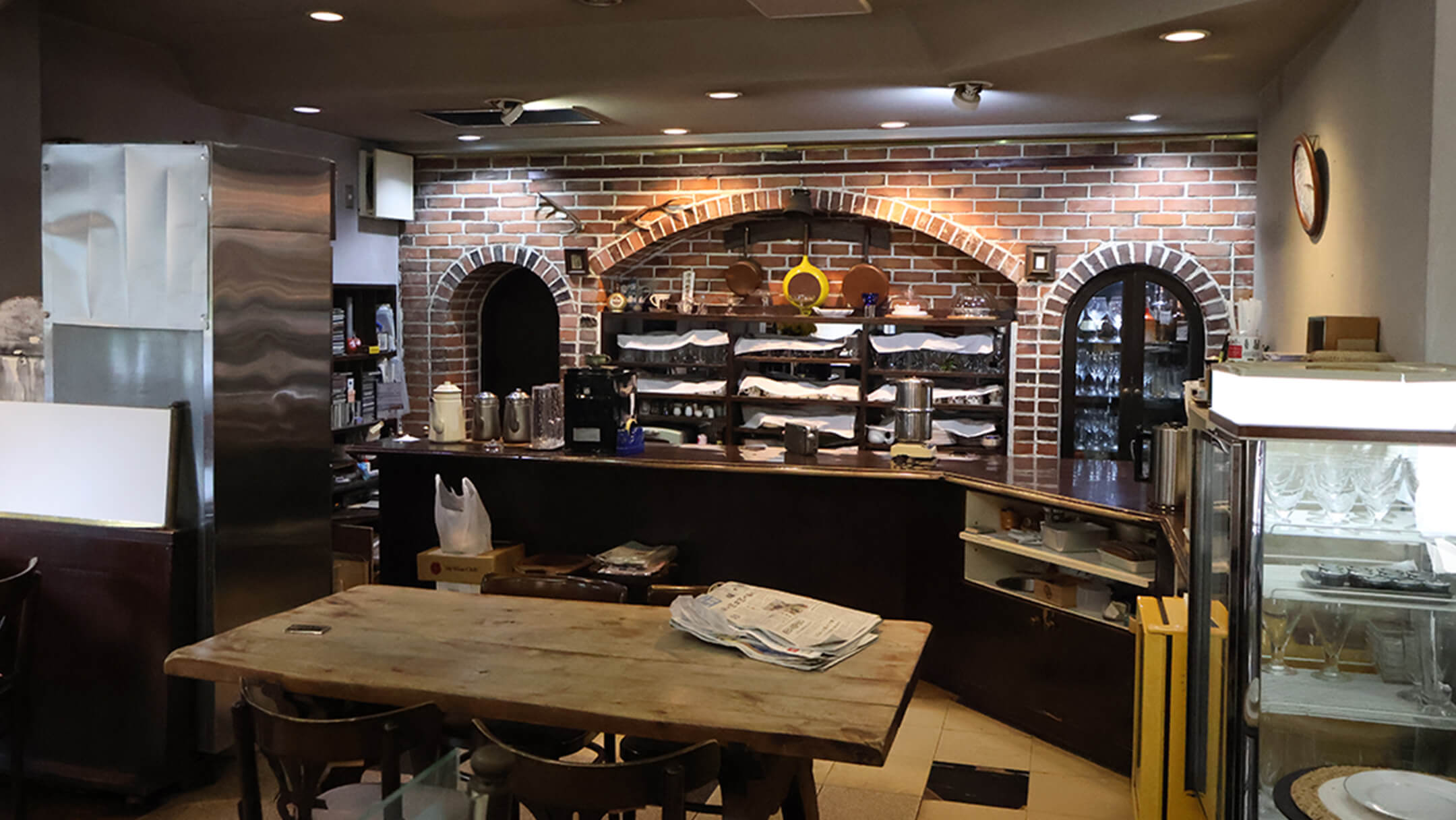
Since its founding in 1973, the Western-style restaurant Machako has been beloved by the people of Beppu.
Many visitors come day after day seeking the same unchanging flavors the restaurant has offered since it opened, especially its signature dish of borscht.
Another defining feature of Machako is its long tradition—dating back to the opening days of APU—of welcoming generations of international students as part-time staff, giving the restaurant a distinctly global atmosphere.
This time, we spoke with the owners, Mr. and Mrs. Mori, who have continued to protect and nurture the restaurant over the years, about the deep bonds they share with international students and the feelings they hold toward them.
Working, Learning, and Growing: Passing Down the “DNA” of Machako
Today, seeing international students among the staff at Machako is nothing rare. Since APU first opened, Mr. and Mrs. Mori have hired international students as part-time workers, saying that they are not only a source of energy for the restaurant but also indispensable members who support daily operations.
“ Our very first international student part-timer was referred by a friend who was already working here. From there, introductions led to more introductions. When students are about to graduate, they often bring their junior classmates with them, so we’ve never had a gap—so many students have worked here over the years. ”
During interviews, the couple carefully discuss how students will balance work and academics, their living situation, and even how much they hope to earn. This thorough approach allows students to feel secure while juggling both study and work.
“ International students have tuition to pay, plus all sorts of other expenses, so they work part-time to support themselves while studying hard—what we used to call ‘working students with hardships.’ They’re all incredibly earnest and determined. After graduating, many go on to thrive at top companies or start successful businesses. Seeing them succeed makes us truly proud. ”
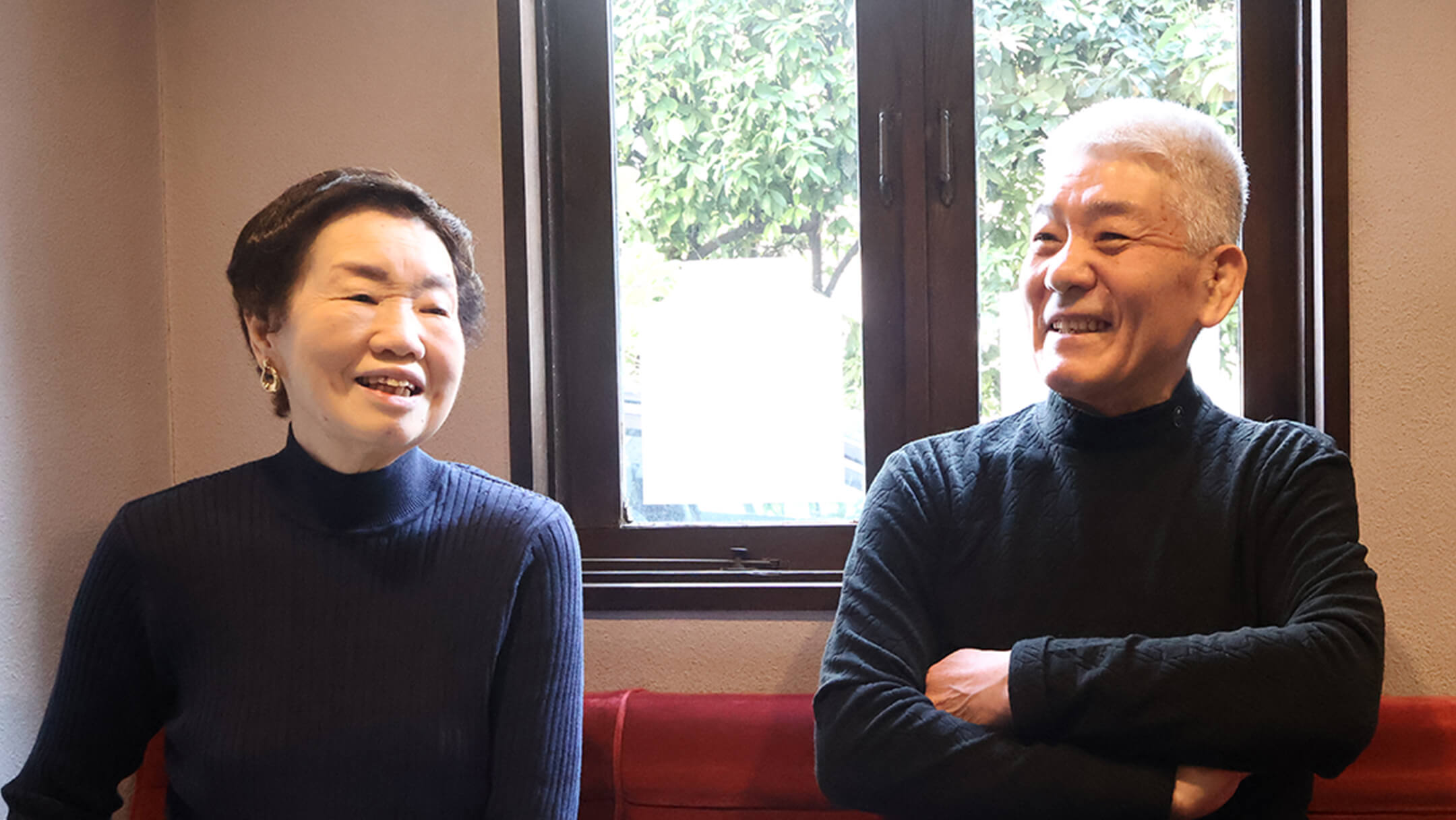
The way Mr. and Mrs. Mori speak about them is unmistakably like a parent watching over children they’ve raised. Indeed, the Moris says they have cared for the students closely—sometimes strictly—just like their own children.
Strictness Rooted in Care: Learning Japanese Ways and Growing on the Job
What makes working at Machako special isn’t just the paycheck. The “Japanese ways” taught by Mr. and Mrs. Mori become valuable assets that benefit students’ future careers.
“ I was strict,” recounts Mrs. Mori. “Some students even said I was stricter than their own parents. But since some of them wanted to work for Japanese companies, I nagged them like a mom would. There were students whose academics seemed at risk, and the two of us kept lecturing them because we were worried about them. Still, the ones who stick it out despite all that strictness are the hungry ones. They seem to get good grades too. ”
From punctuality and hygiene to the unspoken rules valued in Japanese society, the couple says they thoroughly taught their student workers anything that hadn’t yet taken root.
“ We told them everything—really, everything. And later, some of them have come back to tell us they’d succeeded in their job hunt. ”
Alongside this strictness, there was one thing the couple never compromised on: food.
“ Being able to eat a hearty meal is a big attraction. When you’re balancing studies and part-time work, having one solid meal really helps. So, we never cut corners with meals; we made sure the students ate well. We may be annoying, but there’s no distinction or discrimination in food. Everyone eats the same thing together with us. That’s how natural emotional bonds formed. ”
“ When students’ parents visit Beppu from their home countries, they always bring them here. They recommend local dishes they’ve grown to like, such as Ryukyu (seasoned sashimi). Even parents from countries where raw fish isn’t eaten are surprised and comment on how delicious it is. ”
The couple says they will never forget the looks of relief and emotion on parents’ faces as they watched their children working. It is a joyful moment for the Moris, too, who stand in as their student workers’ “mom and dad” in Beppu.
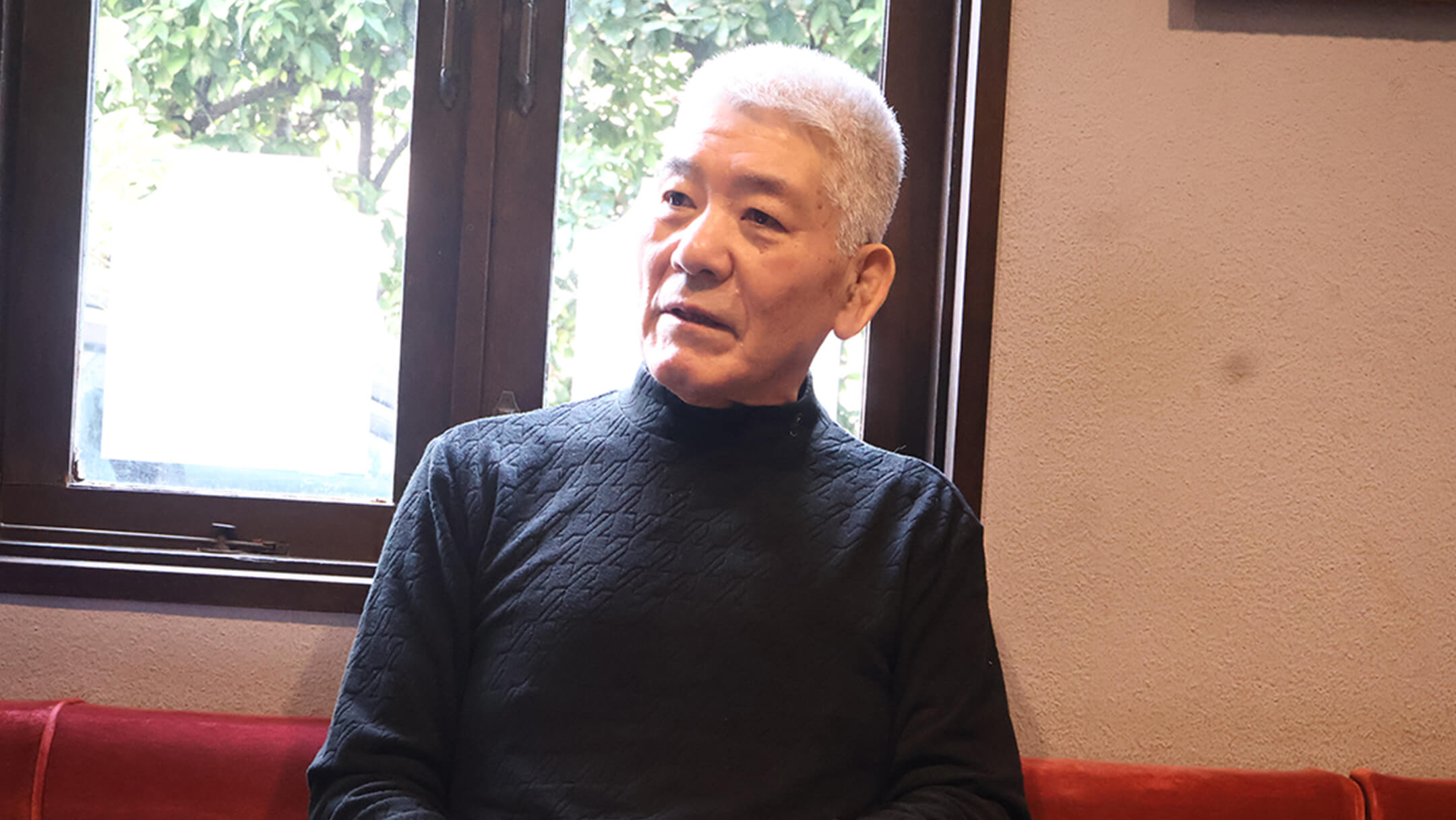
What International Students Taught Them—The Power of Heart-to-Heart Connections
When asked if they ever felt confused or uneasy working with international students, both answered in unison, “Not at all.” That said, in the early days when international students were still rare in Beppu, some regular customers did seem to hold biases.
“ When APU first opened, there were some prejudices simply because people didn’t know any better. But after seeing how hard the students worked, people began saying, ‘I’m sorry I ever thought that way,’ and started supporting them. In the end, it’s not about borders or race—it’s about people. When you see someone working hard, you respect them. If you get along, you become friends. It’s the same even among Japanese people and even within families. ”
The warmth with which the couple connected the local Beppu community and APU’s international students comes through strongly in their words. At the same time, they say they also learned a great deal from the students, reaffirming the true essence of human connection.
According to the Moris, what truly matters, regardless of nationality or culture, is to face one another as human beings, to understand each other’s feelings, and to care for each other.
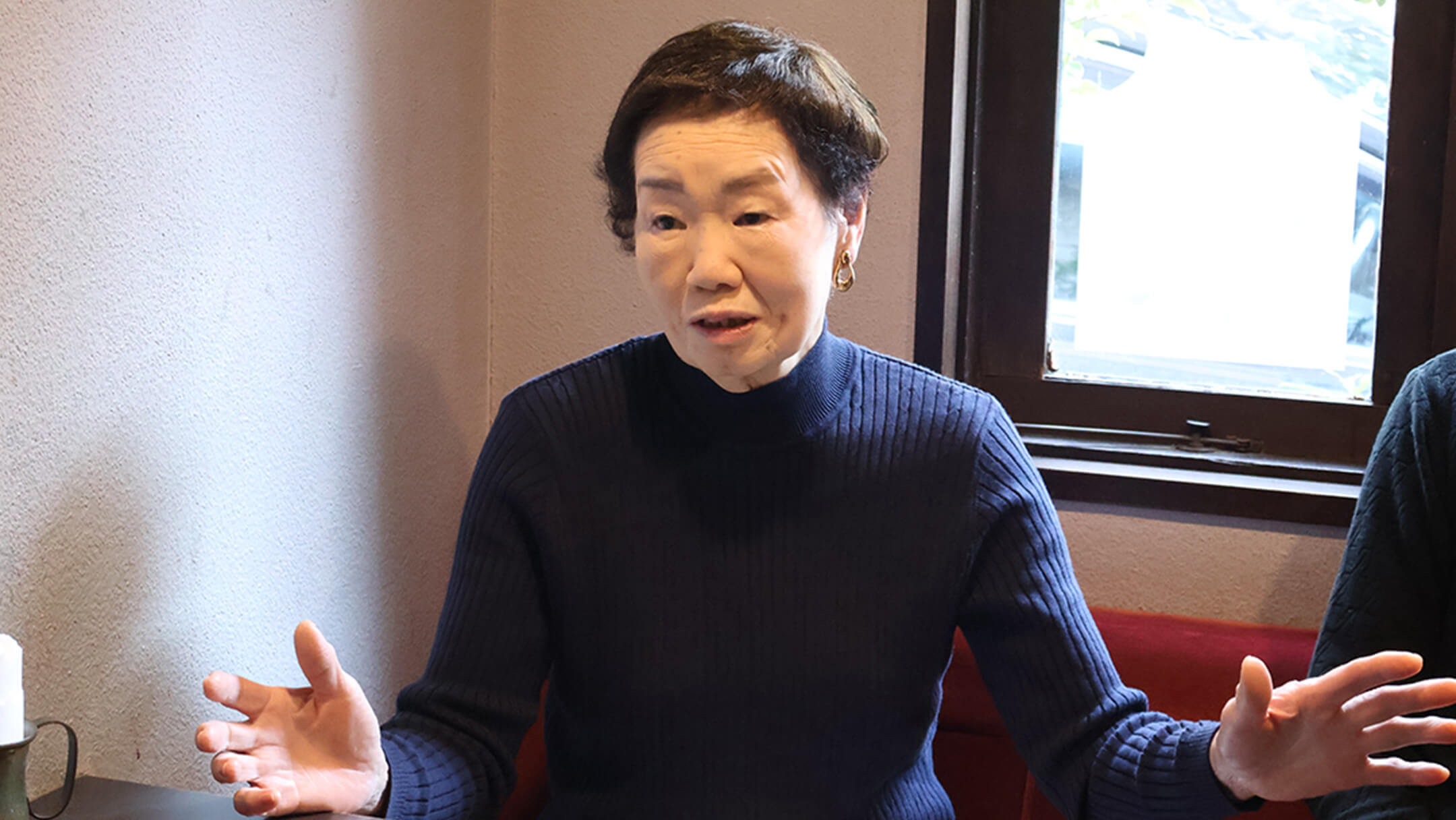
Bonds That Continue After Graduation: Enduring Ties with “Japan’s Mom and Dad”
Once the couple begins talking about the students they’ve “raised,” stories pour out endlessly. And the international students also seem to think of the couple as their own “mom and dad.”
“ Once I was hospitalized after getting sick. When one of the students heard, they came to visit me with a pack of strawberries. When they heard the boss’s knee was hurting, they kept checking in on him. Even after graduation, they still care about us. It makes us happy—and they’re just so lovable. ”
“ I recall one student in particular. She really grew a lot among all the part-timers. At first, she couldn’t speak Japanese at all and was very shy. But she steadily did what she could, step by step, and now she even anticipates tasks and takes initiative. Come to think of it, her personality is a lot like Mrs. Mori’s. ”
Just like the Japanese saying “children grow up watching their parents’ backs,” the students seem to have learned and inherited a great deal by watching the couple.
“ During the long holidays, international students often go back to their home countries and take time off from work. But some choose not to go home. When I asked one why, they said, ‘If everyone goes home, the restaurant won’t run,’ so they stayed and worked with us. It’s the kind of story that brings tears to your eyes. ”
Listening to these heartwarming episodes, one thing is clear: the DNA of Mr. and Mrs. Mori runs deeply within these students. To them, the couple truly are their “mom and dad” in Beppu—irreplaceable, extraordinary figures.
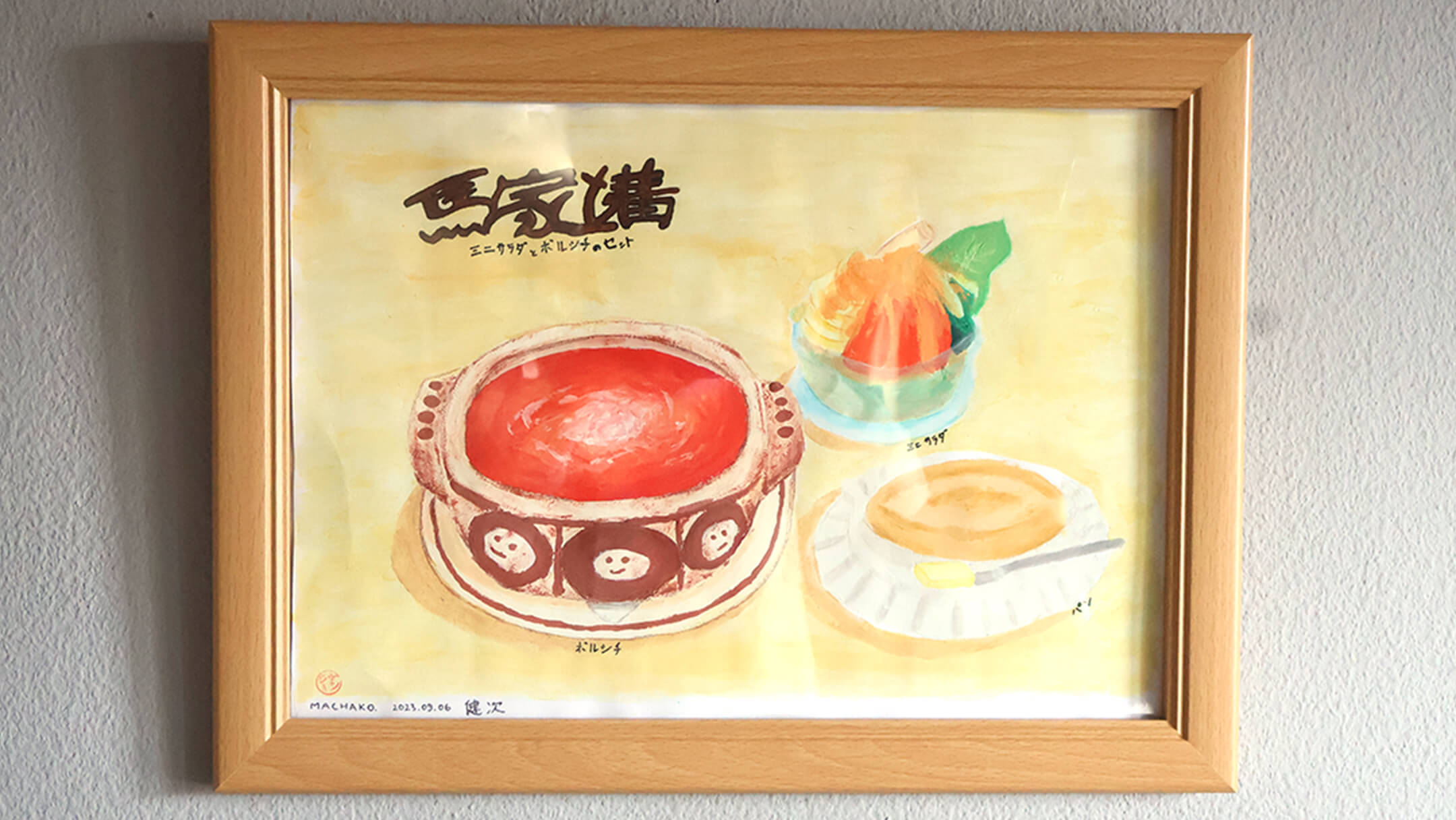
*The interview was conducted on Nov 18, 2025. The titles and affiliations listed are those at the time of the interview.
Profile
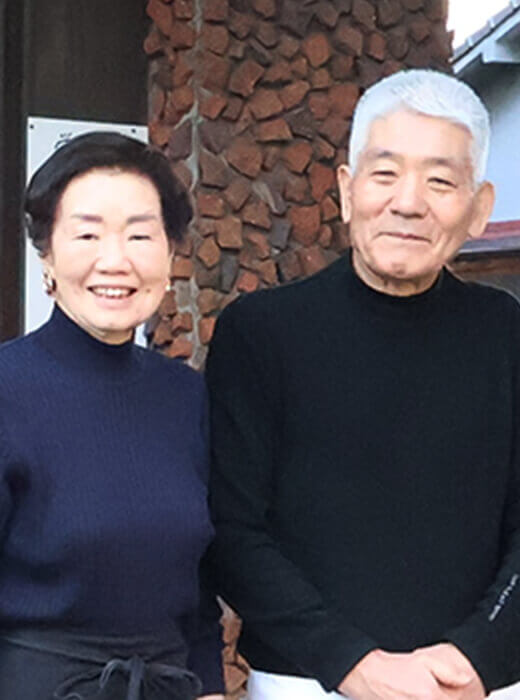
- Owners of the Western-Style Restaurant "Machako"
- Mori Yoshifumi, Hiroko
The Western-style restaurant “Machako,” run by owner Yoshifumi Mori and his wife Hiroko, was founded in 1973 and has been beloved by locals for over half a century. Known for its signature borscht and seasonal chestnut bavarois in autumn, the restaurant attracts many visitors throughout the year.
Western-style Restaurant "Machako"
10-2-41 Ishigakihigashi, Beppu City, Oita Prefecture, 874-0919(GoogleMap )
Hours: 12:00 PM – 8:00 PM (Last Order 7:30 PM) *Saturdays and Sundays until 10:00 PM (Last Order 9:30 PM)
Closed: Mondays and Tuesdays
Other interviews
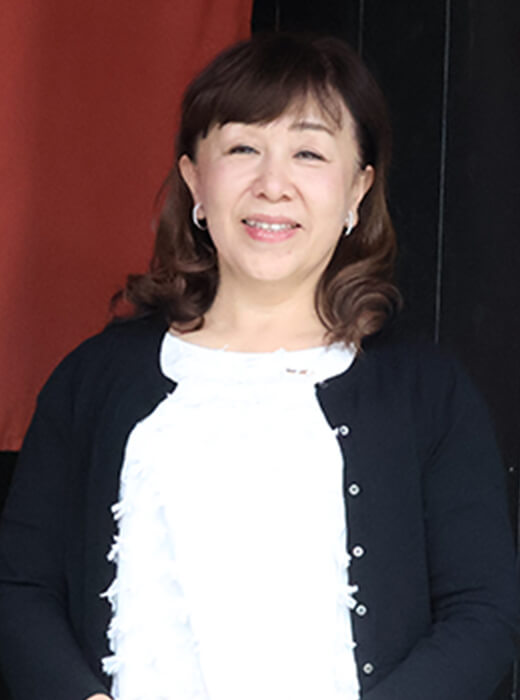
Ebisuya Ryokan Okami
Honda Maya
A 150-Year-Old Ryokan Becomes a “Home” Connecting the World
Owners of the Western-Style Restaurant "Machako"
Mori Yoshifumi, Hiroko
Serving up Borscht with a Side of “Parental Care:” Interview with Beppu’s “Mom and Dad” at Machako
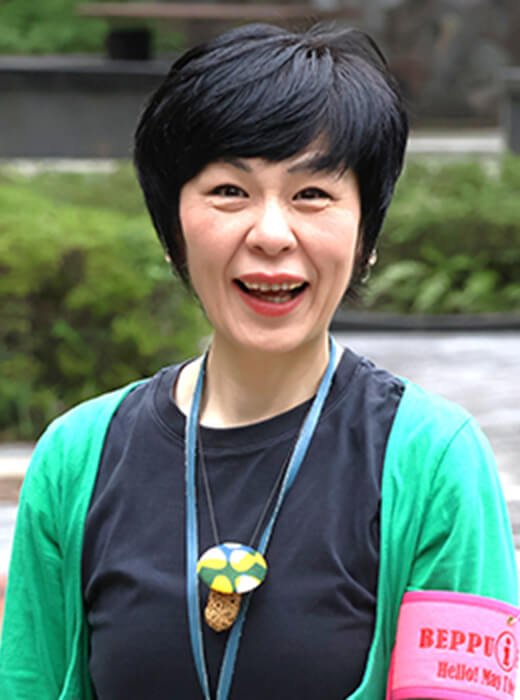
Beppu City Hall Staff Member
Abelia(Abe Junko)