


Please enter search keywords
1 min read
Three months have passed since the start of the new academic year. While many of us are settling into new routines, there are moments when the fast pace of daily life leaves us feeling unexpectedly lonely or disconnected, as though we have lost touch with ourselves amid all the busyness.
It was during one of those moments that I learned about the traditional Lao ceremony known as Baci from my friend Wiwi, who is from Laos.
In Laos, people traditionally believe that the human body is accompanied by 32 spirits, or khwan, which watch over different aspects of a person’s well-being. These spirits are thought to wander away during times of change, stress, travel, or major life transitions. The purpose of the Baci ceremony is to call them back, restoring balance, harmony, and good fortune.
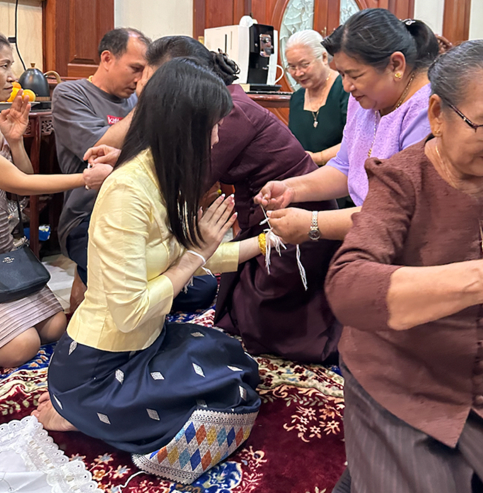
The ceremony brings family members and friends together around an elaborate arrangement decorated with flowers and offerings. Elders lead the ritual by reciting blessings and words of encouragement. At the end, participants tie white cotton strings around one another’s wrists, expressing wishes for happiness, success, health, and prosperity.
Wiwi told me that before leaving Laos to study in Japan, her family and friends held a Baci ceremony for her.
“Everyone came together to wish me success in my studies and good health during my time abroad,” she recalled.
What struck me most about this tradition is that, even in the midst of our busy lives, Lao people make a conscious effort to pause. They take time to reconnect with themselves, gather with loved ones, and reaffirm the bonds that tie them together.
I feel that this wisdom, taking care of oneself while drawing strength from others, has a special relevance today, regardless of our cultural backgrounds, religious beliefs, or personal values. The spirit of the Baci ceremony reminds us of the importance of family support, encouragement, and human connection. It is a tradition that gently teaches us to cherish both our own well-being and the relationships that sustain us.
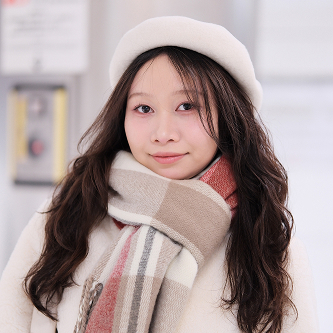
Phankhao Vilayvanh
Nickname: Vivi
Third-year student, College of International Management
(Article Source : Oita Godo Shimbun, June 24, 2026, Morning Edition)
Based on a comprehensive cooperation agreement with Oita Godo Newspaper, since January 2022, Student PR Assistants (SPA) have been contributing their interviews with international students to the life and culture section of the newspaper’s morning edition. SPA will introduce different cultures and the interesting topics they raise from an authentic, student perspective. These student writers take this opportunity to get the newspaper’s readership and students interested in the world. They also aim to improve their skills with the aid of professional editors.
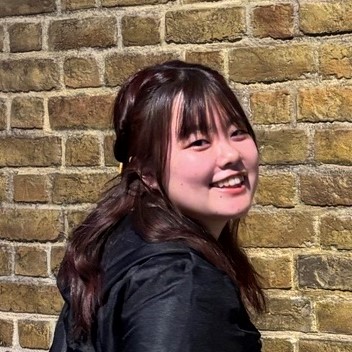
Hello! My name is Mayumi, and I am a fourth-year student in the College of Asia Pacific Studies. I would like to share the unique features of APU, as well as my experience studying abroad in the UK for a year. I hope my posts can inspire readers who are considering studying at APU or taking on new challenges. Looking forward to connecting with you!




Copyright (c) 2016 Ritsumeikan Asia Pacific University


