


Please enter search keywords
5 min read
Exchange programs at APU offer students the chance to experience new cultures, explore different learning environments, and grow both personally and academically. For Sai Wai Yan Lin, a fourth-year College of Sustainability and Tourism student from Myanmar, studying abroad was an opportunity to challenge himself. During his exchange at the University of Waterloo in Canada, Sai joined an interdisciplinary capstone team that developed a multilingual municipal service app for the City of Iqaluit. The project won first place at the University of Waterloo's Capstone Symposium and was later featured in Canadian media.
I spoke with Sai about what he learned through the experience and how it shaped him both personally and academically.
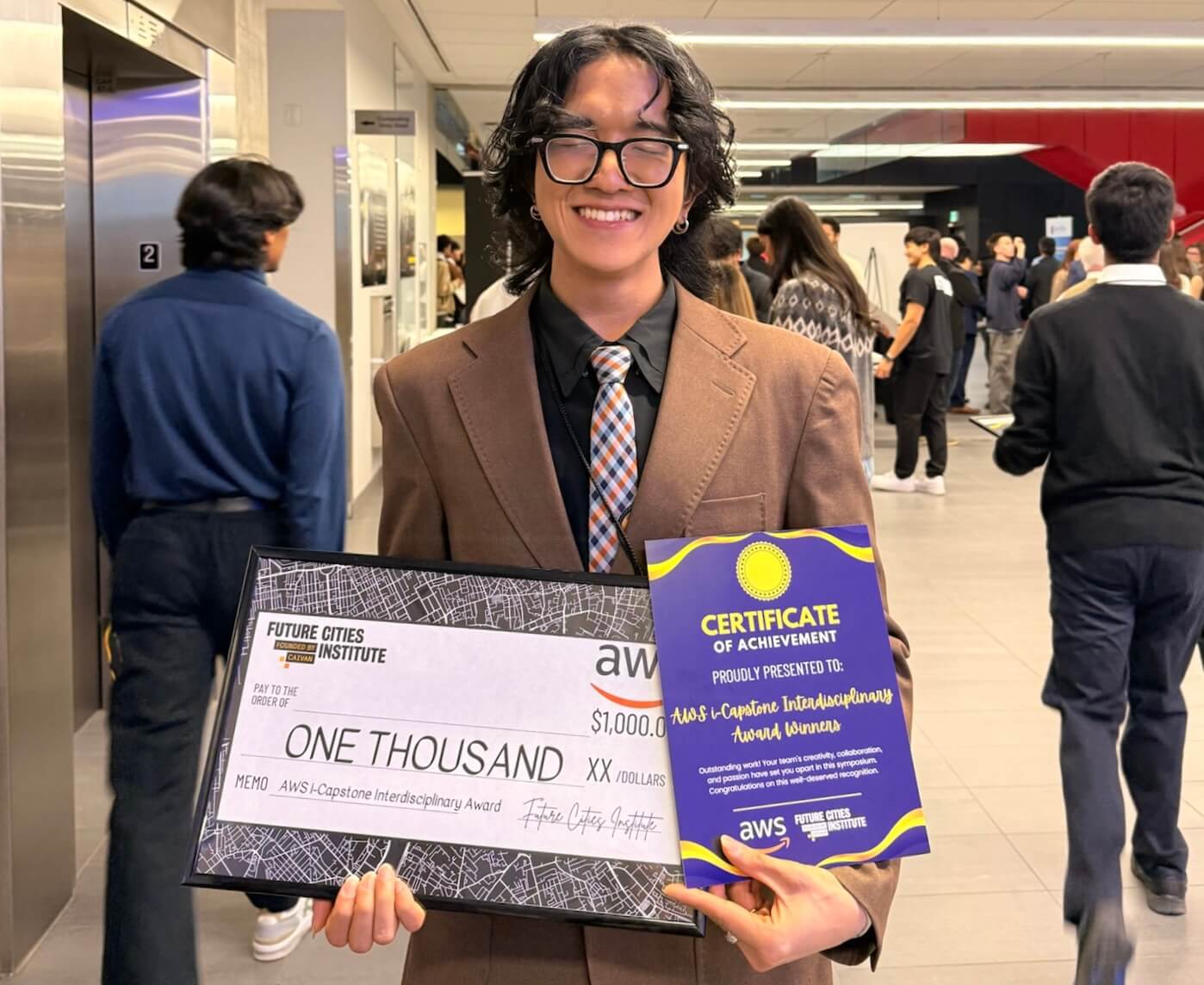
Sai:
Before applying for exchange, I had already participated in many student activities at APU. I wanted to try something new and challenge myself to step outside my comfort zone.
So, I applied to three universities in Canada, with the University of Waterloo as my first choice. Waterloo is well known for engineering, technology, and AI. Since my background is in the social sciences, I wanted to take on challenges in a different academic environment alongside students from different academic backgrounds.
While choosing his courses at Waterloo, Sai wanted create a memorable milestone in his academic journey. He decided to enroll in a capstone course where students collaborated on projects with real communities.
Sai:
We worked with the City of Iqaluit, one of Canada's northernmost cities where many Inuit residents live. The city wanted a better way for residents to report problems in the community.
Before, residents usually reported concerns through Facebook groups, emails, and phone calls to the municipal office. However, there wasn’t a centralized system to manage these reports and residents could not check whether their reports had been received.
To solve this, our team developed Atausirniq, a municipal service request app available in English, French, and Inuktitut. The app was designed for residents to report issues more easily while helping the city to manage requests more efficiently.
Throughout the project, we worked closely with the City of Iqaluit and received feedback from local Inuit community members. We wanted to make sure the app reflected their needs and was something they would actually use.
Over the course of eight months, students from environmental studies, legal studies, computer science, and sustainability courses collaborated on the project.
Sai:
Everyone on the team had different strengths, so we divided the work based on what each member could contribute. I mainly worked as a research specialist and co-design facilitator, while also supporting the marketing aspects.
I researched similar projects and carried out literature reviews to help us understand the best direction for our project. We wanted residents to feel involved in the project, so we listened to their ideas and feedback to improve the app throughout the design process.
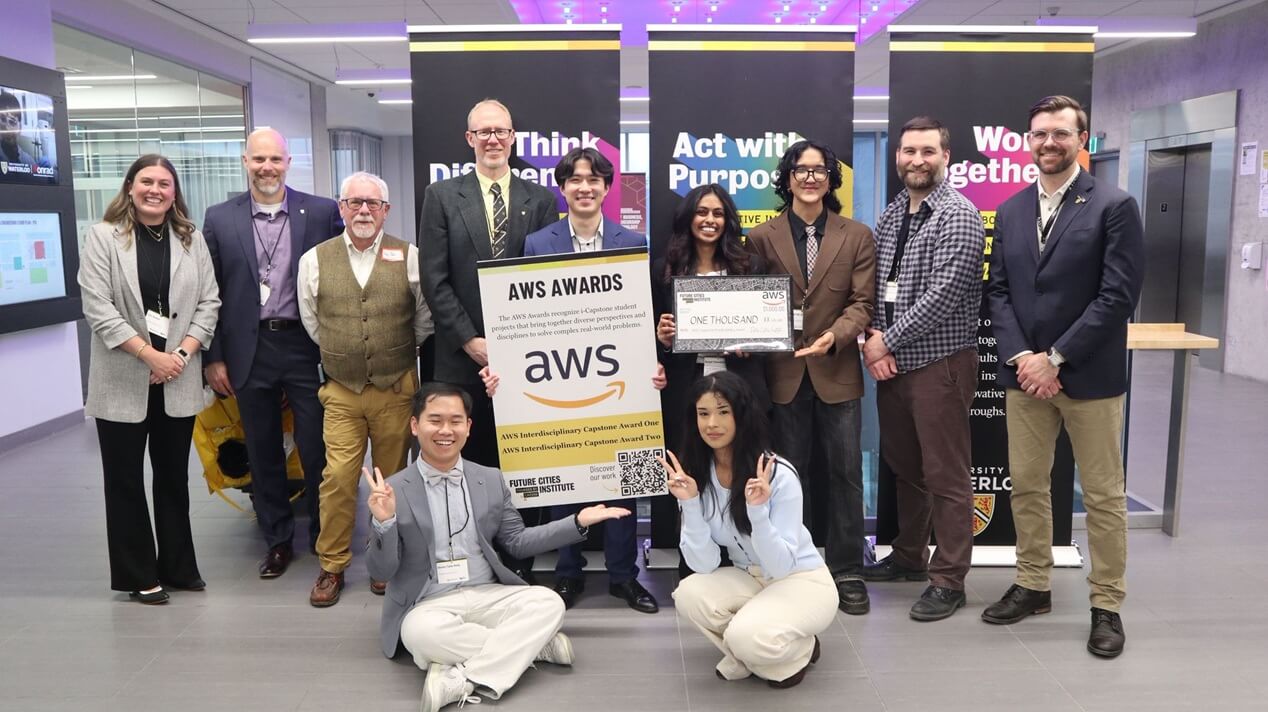
Sai:
“At APU, I had many opportunities to work with classmates from different countries through group projects. Courses like MCW (Multicultural Cooperative Workshop) and FGL (Foundations for Global Leadership) taught me how to communicate with people from different cultural backgrounds, adjust my communication style, and work effectively in a team.
Because of those experiences, I was able to adapt more easily to working in an interdisciplinary team.”
Besides working with his teammates, Sai also had the opportunity to collaborate with municipal officials and local community members.
Sai:
"Throughout the project I learned how interdisciplinary collaboration works, and how to communicate with real clients and community members. It helped me understand how projects are developed in both the public and private sectors, while also giving me much more confidence in myself."
Sai:
“At first, adapting to a new culture and environment can be challenging. But it’s important to stay open-minded and make the most of every opportunity. Every experience helps you learn something, and those experiences help you grow.”
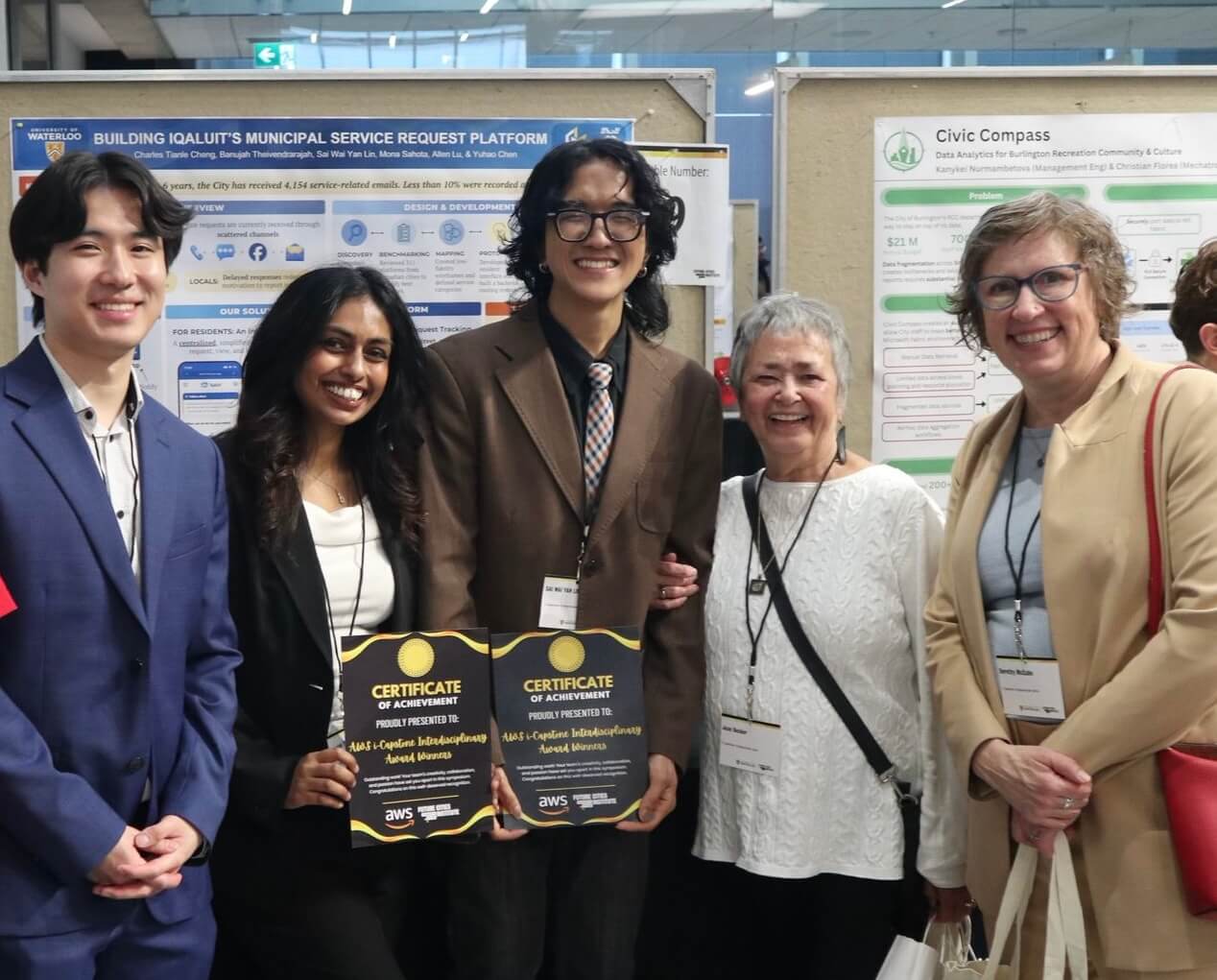
After my interview with Sai, I was surprised to learn how he contributed to a project that was different from his background. Despite his studies in social sciences, he worked on a project that involved technology and research. This made me realize that even when we come from different backgrounds, we can still contribute to a shared goal by working together. His experiences also inspired me to look for more opportunities to work with real communities and apply what I learned in the classroom to address real-world challenges.
Sai’s journey at the University of Waterloo shows how an exchange opportunity was more than just a semester in a foreign country. It was a chance for him to try something different and work across disciplines while also developing new skills and confidence. His exchange experience highlights how stepping into an unfamiliar environment can lead to meaningful experiences and opportunities to grow beyond the classroom.




Copyright (c) 2016 Ritsumeikan Asia Pacific University


