


Please enter search keywords
講演・シンポジウム|研究
Mar 2, 2026
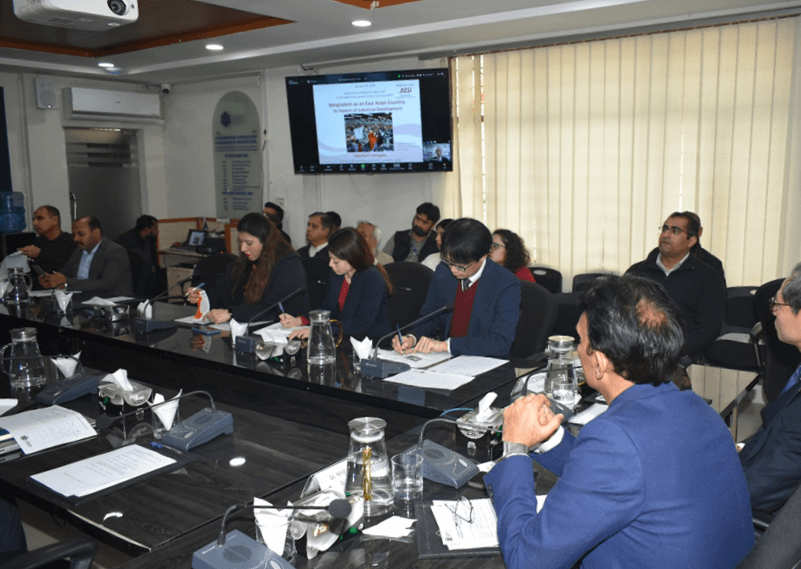
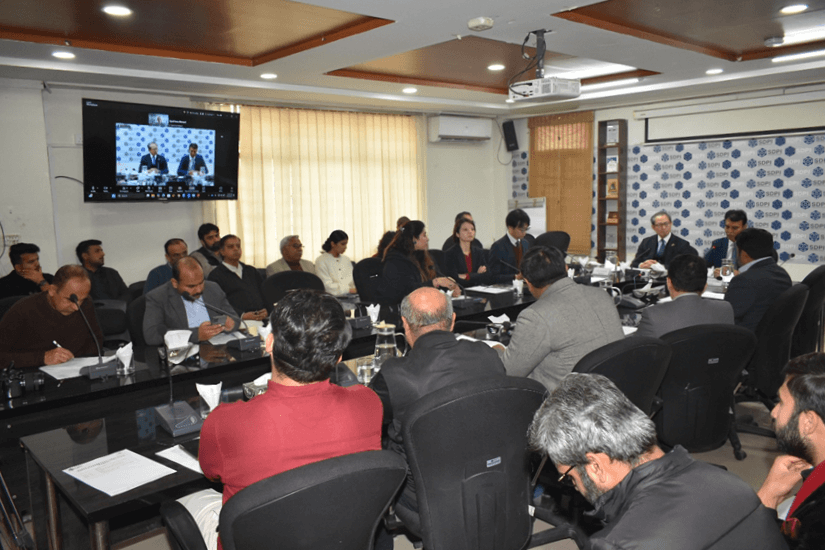
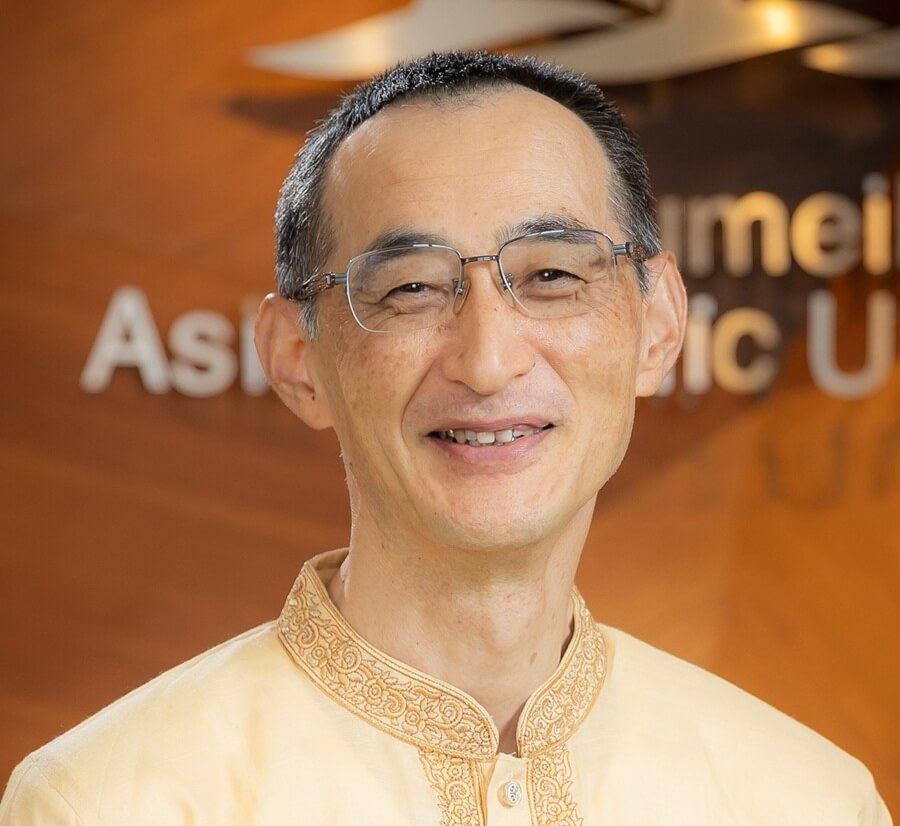
On January 26, 2026, Professor Tatsufumi Yamagata of the College of Asia Pacific Studies delivered an online lecture to an audience in Islamabad, Pakistan on the theme of industrial development in Bangladesh and its regional significance.
The event was co-hosted by the Sustainable Development Policy Institute (SDPI) and the Embassy of Japan in Pakistan and was attended by numerous policymakers, researchers, and development practitioners. The lecture attracted significant attention in Pakistan and was prominently featured in 19 major news outlets including The Dawn, one of the country’s leading newspapers.
In his lecture, titled “Bangladesh as an East Asian Country: Its Patterns of Industrial Development,” Professor Yamagata drew on insights from his long-standing research and his experience as a visiting fellow at the Bangladesh Institute of Development Studies (BIDS). He explained how Bangladesh has enhanced the competitiveness of its exports and made progress towards industrial diversification. He highlighted the country’s transition from a typical South Asian economic structure toward a high-intensity, East Asian–style model of industrial upgrading. Professor Yamagata noted that Bangladesh is leveraging its abundant labor force and limited land area, characteristics shared by many East Asian economies, to build strong international competitiveness in sectors such as textile products for the U.S. market and bicycle exports to Europe. He also discussed progress in emerging industries such as home appliance assembly and drone manufacturing, as well as the steady rise in minimum and real wages since 2005, pointing to the country’s promising prospects for future industrial development. Furthermore, he emphasized the complementary alignment between Pakistan and Bangladesh within the textile value chain, noting that while Pakistan excels in upstream material production, Bangladesh holds a competitive edge in downstream garment manufacturing, thus offering valuable insights for both countries.
During the Q&A session, participants engaged in an in-depth exchange on a wide range of issues, including trade and regulatory challenges associated with Bangladesh’s graduation from Least Developed Country (LDC) status, improvements in labor and environmental standards following the 2013 Rana Plaza collapse, the recent increase in foreign investment led by China, and ongoing negotiations for an Economic Partnership Agreement (EPA) with Japan.
Professor Yamagata’s research covers development economics, international cooperation, the textile industry, infectious diseases, the relationship between disability and development, and Bangladesh.
At APU, he teaches courses such as Global Economy and Global Issues and Poverty and Globalization. The former addresses themes including trade, international capital flows, migration and refugees, and global infectious diseases, while the latter explores poverty reduction strategies, poverty and inequality indices, the philosophy of poverty, gender-based violence, child labor, and other pressing global challenges.






Copyright (c) 2016 Ritsumeikan Asia Pacific University


