


Please enter search keywords
イベント|25周年
Jun 16, 2026
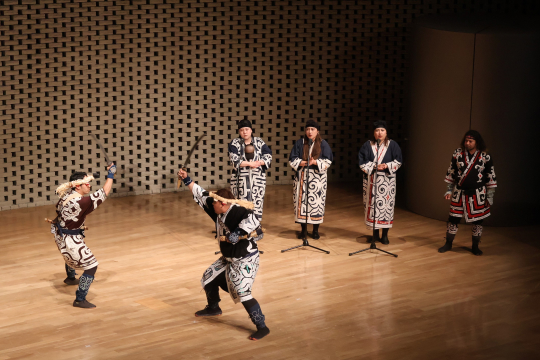
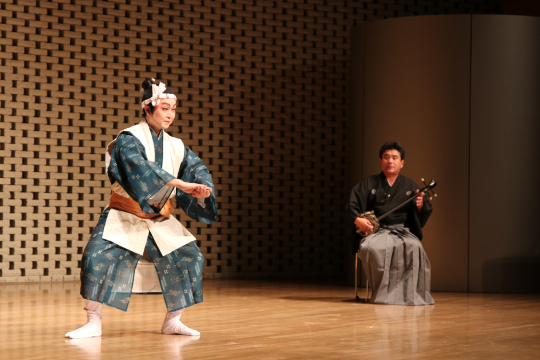
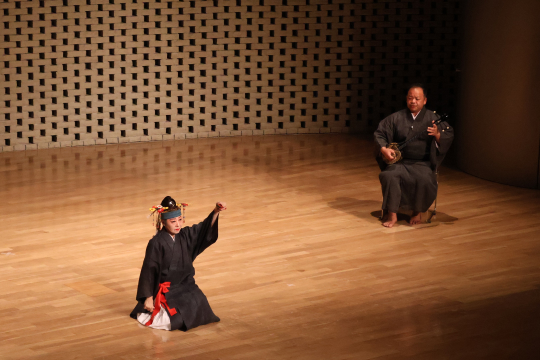
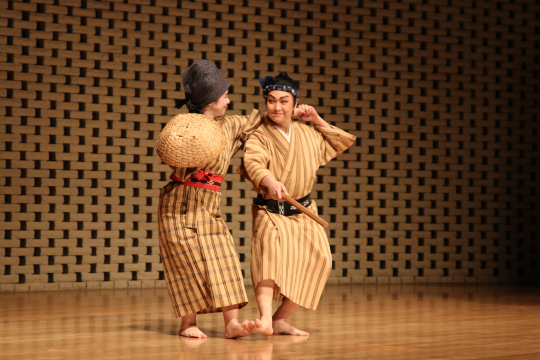
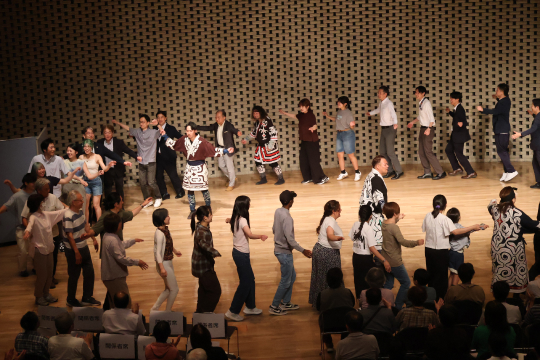
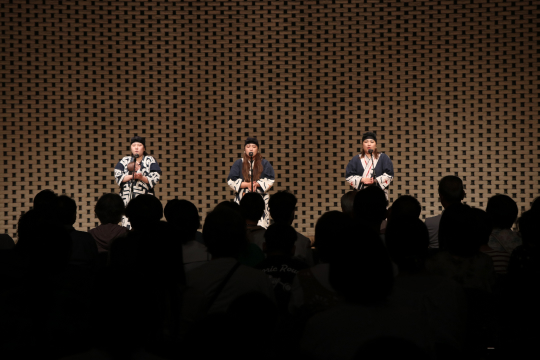
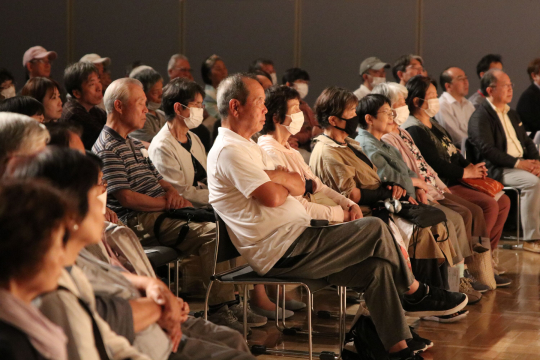
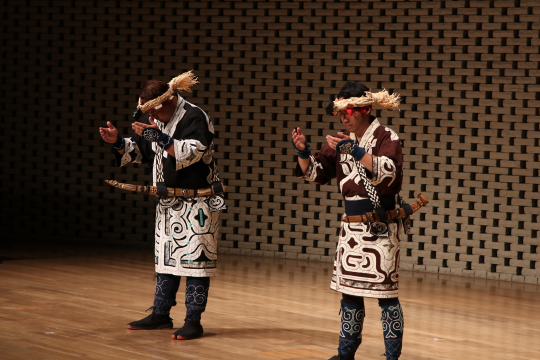
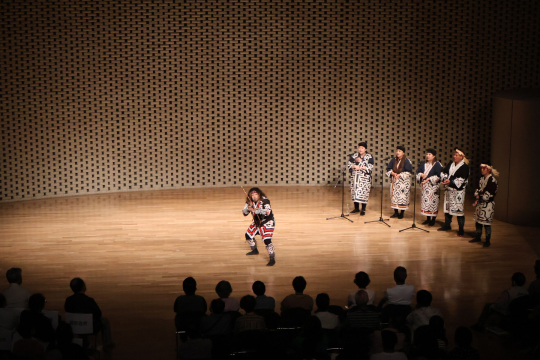
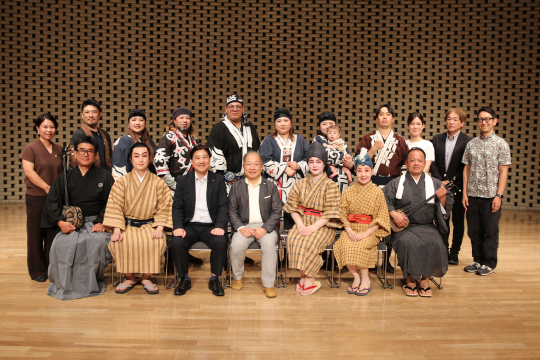
On Friday, May 29, 2026, APU held a workshop titled “Ashibi Tuikee [Exchange Through Play]”, featuring Nibutani Ainu classical dance alongside songs and dances of the Ryukyu Arc, as part of its 25th anniversary commemorative projects. Approximately 180 participants, including APU students, faculty and staff, and local residents, attended the event.
Since its founding, APU has welcomed students from over 170 countries and regions and has worked to promote international mutual understanding as a place of learning where diverse cultures and values intersect. At the same time, APU’s commitment to “Diversity & Inclusion (D&I)” extends beyond nationality and culture to encompass all forms of difference—such as age, gender, disability, and values—aiming to create a society in which each individual can live true to themselves.
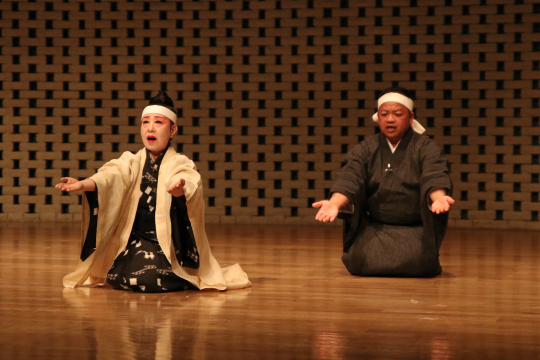
This program was organized as an opportunity to refocus attention on the rich cultural diversity that exists within Japan. The project was planned and directed by Associate Professor Junko GOYA (Okinawa Prefectural University of Arts), who conducts research on the performing arts of Okinawa as well as those of the Tohoku region and the Korean Peninsula, and has recently been engaged in educational activities related to the promotion of Ainu culture. Through this event, she created a space for cultural exchange linking Ainu traditions from the Nibutani area of Hokkaido with traditional performing arts of the Ryukyu Arc. On the day of the event, descendants of Ainu traditional dance passed down in the Nibutani region of Hokkaido, along with performers of songs and dances rooted in the islands of the Ryukyu Arc, introduced the rich cultural traditions passed down in their respective regions.
The event title, “Ashibi Tuikee,” is an Okinawan phrase meaning to deepen connections among people and communities through shared experiences of singing and dancing. Participants engaged with both northern and southern cultures through listening, observing, and dancing together. In addition to live performances by the artists, the event also provided opportunities for participants to experience the dances themselves, creating an immersive learning environment in which culture could be felt through the body.






Copyright (c) 2016 Ritsumeikan Asia Pacific University


